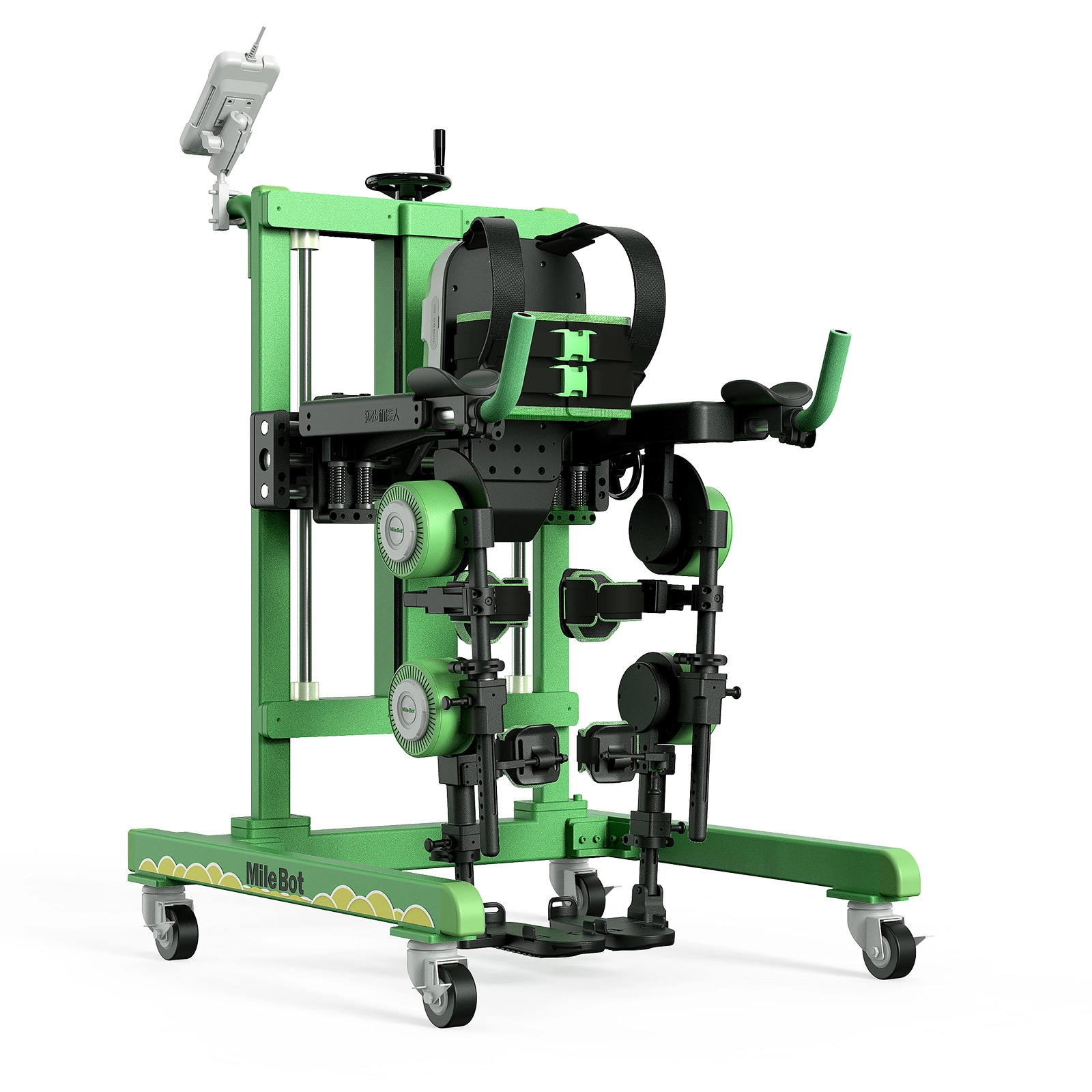
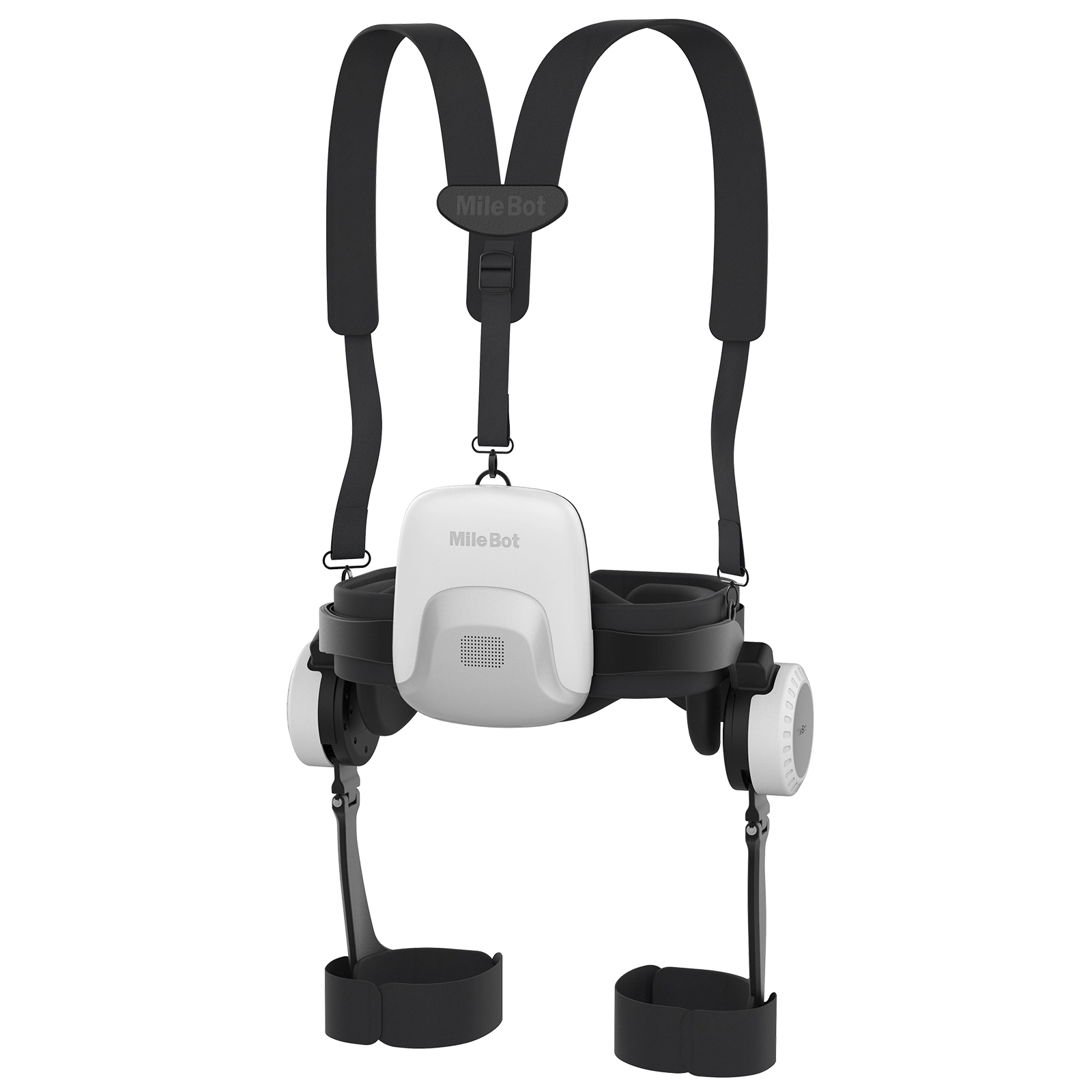
As the global population continues to age, maintaining mobility and independence is becoming increasingly essential. An exoskeleton for the elderly offers a groundbreaking solution to improve physical function, enhance walking rehabilitation, and empower neurological rehabilitation centers to deliver more effective care.
However, integrating this innovative technology into daily routines requires careful consideration of safety. As the adoption of advanced mobility devices grows — including the increasingly popular exoskeleton for elderly people — understanding proper usage becomes even more important. This guide provides essential safety tips covering risk assessment, proper fitting, usage guidelines, emergency protocols, and health monitoring — ensuring every user experiences both safety and confidence while using these advanced devices.
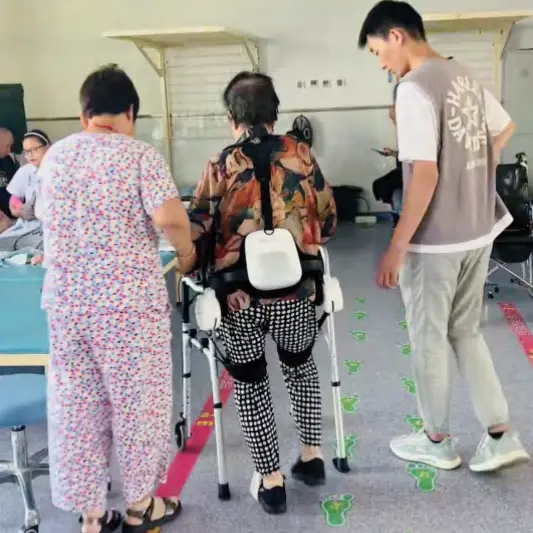
Before introducing an exoskeleton suit for disabled individuals, conducting a comprehensive risk assessment is vital. This process evaluates the user’s physical condition, mobility limitations, and any existing health concerns that may influence device performance.
| Evaluation Criteria | Details |
|---|---|
| Physical Condition | Assess muscle strength and joint flexibility |
| Medical History | Review prior injuries or surgeries |
| Mobility Limitations | Identify challenges in balance or movement |
| Environmental Factors | Analyze home layout and daily activities |
Leading exoskeleton companies should collaborate with healthcare professionals to recommend the safest and most effective model for each individual. Partnering with a neurological rehabilitation center can further tailor these technologies to specific user needs.
A proper fit is critical for maximizing both safety and comfort, especially when using exoskeleton legs for elderly individuals. Among the many types of rehabilitation robots, an incorrectly sized or misaligned exoskeleton can cause discomfort or strain, reducing its intended benefits. Professional assessment and measurement are essential to ensure the leg exoskeleton aligns perfectly with the user’s body. Healthcare providers and exoskeleton manufacturers should work together to adjust all dimensions, promoting seamless integration into the user’s lifestyle.
Operating an exoskeleton for elderly users requires following specific usage guidelines to ensure both safety and effectiveness. Proper training for users and caregivers helps reduce the risk of misuse and builds confidence. Medical professionals should provide structured sessions that include:
Power-up and shutdown procedures
Routine maintenance and inspection
Safe walking and movement techniques
Participating in exoskeleton rehabilitation programs helps users and caregivers understand the device’s functions while gaining practical, hands-on experience.
Even with careful use, unexpected events can occur. Understanding emergency protocols for medical exoskeleton devices ensures that users and caregivers can respond quickly and effectively.
| Situation | Protocol |
|---|---|
| Power Failure | Use manual disengagement for safe removal |
| Physical Discomfort | Stop use immediately and rest |
| Medical Emergency | Contact emergency services; ensure user comfort |
| Device Malfunction | Notify the support team for immediate assistance |
Regularly reviewing these safety procedures provides users and families with peace of mind, ensuring preparedness in all situations.
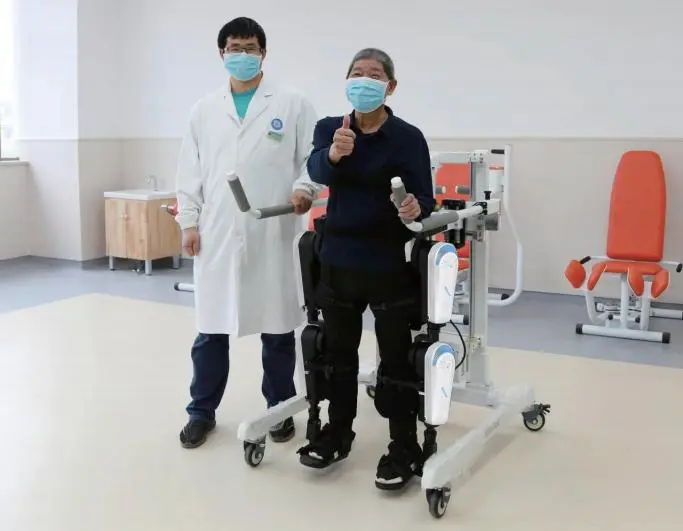
Ongoing health monitoring is essential when using a passive exoskeleton or active model. Continuous evaluation helps detect potential side effects, prevent strain, and optimize device settings for long-term comfort. As advanced mobility tools evolve — including emerging solutions like the leg recovery robot — healthcare professionals should schedule periodic checkups to review both user condition and exoskeleton performance. Integrating telehealth platforms enables remote tracking and data analysis, supporting walking rehabilitation and personalized care strategies. Accurate health records not only improve treatment plans but also empower caregivers to make informed decisions, ensuring sustained benefits from using exoskeleton technology.
Exoskeletons help elderly users walk longer distances safely, improving endurance and reducing reliance on walkers or wheelchairs. These wearable robotic devices allow seniors to participate more fully in daily activities and social interactions.
By providing balance support and real-time motion feedback, exoskeletons reduce the likelihood of falls. Seniors can regain confidence knowing they have medical-grade safety systems assisting their movements.
During physiotherapy, exoskeletons facilitate targeted muscle training and joint rehabilitation, accelerating recovery from surgery or injury while maintaining safety.
Exoskeletons are transforming the way we approach elderly mobility and rehabilitation. When used responsibly—supported by thorough assessments, proper fitting, clear operational training, and continuous health monitoring—they offer life-changing independence and physical support.
Yes. Structured training from a physical therapist or trained caregiver helps users understand how to power, adjust, walk, and respond to alerts from the device. Proper training builds confidence and reduces the risk of misuse or injury.
Many modern exoskeletons are designed for safe home use, but it’s important to ensure proper fitting, sufficient space, and adherence to safety protocols. Always have a caregiver or support person nearby during initial sessions.
Regular follow-ups—ideally every few months—are recommended to check fit, adjust settings, and review health progress. This ensures long-term safety and effectiveness, especially as the user’s needs change.
This is the first one.


 English