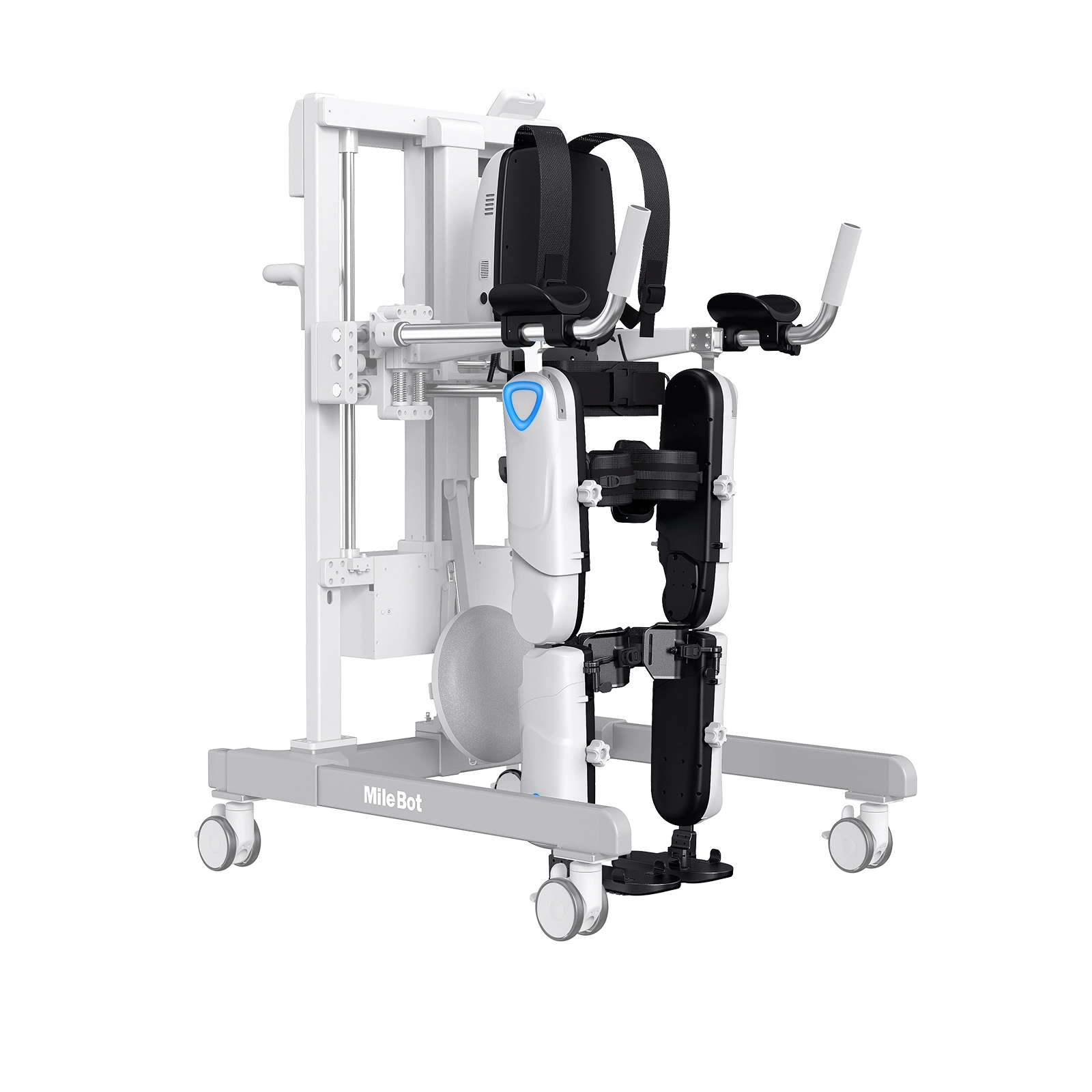
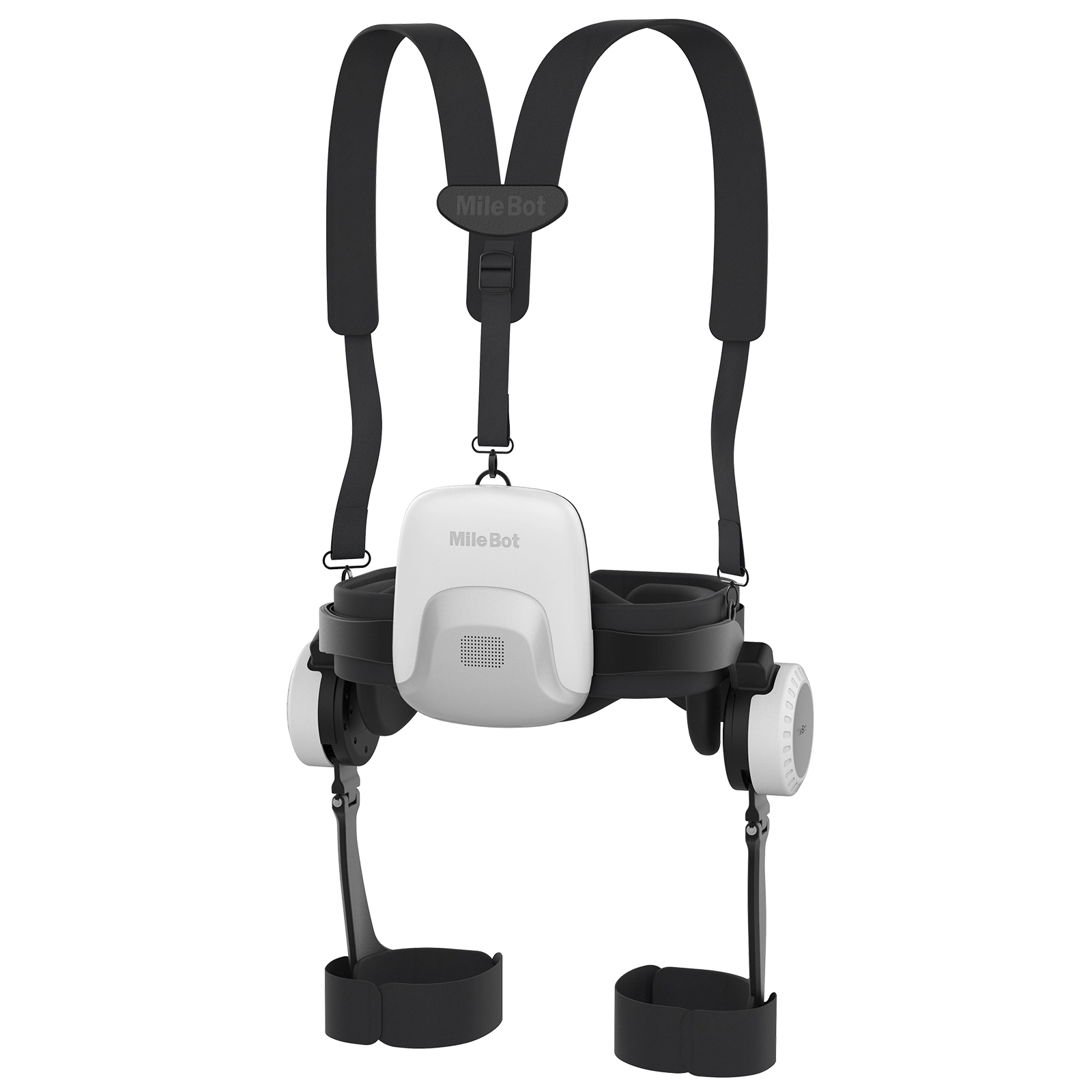
Exoskeleton therapy represents one of the most promising advancements in modern rehabilitation, helping individuals overcome mobility issues caused by neurological disorders, injuries, and aging. As technology evolves, exoskeleton suits for disabled individuals are becoming more accessible, offering a powerful blend of mechanical support, muscle retraining, and independence.
Today, exoskeleton rehabilitation programs are helping users relearn walking motions, strengthen muscles, and regain confidence. As one of the most important types of rehabilitation robots, exoskeletons are transforming recovery pathways. This article explores how exoskeleton technology works, its role in rehabilitation, available device types, patient benefits, and safety considerations — offering a complete guide for those seeking better mobility solutions.
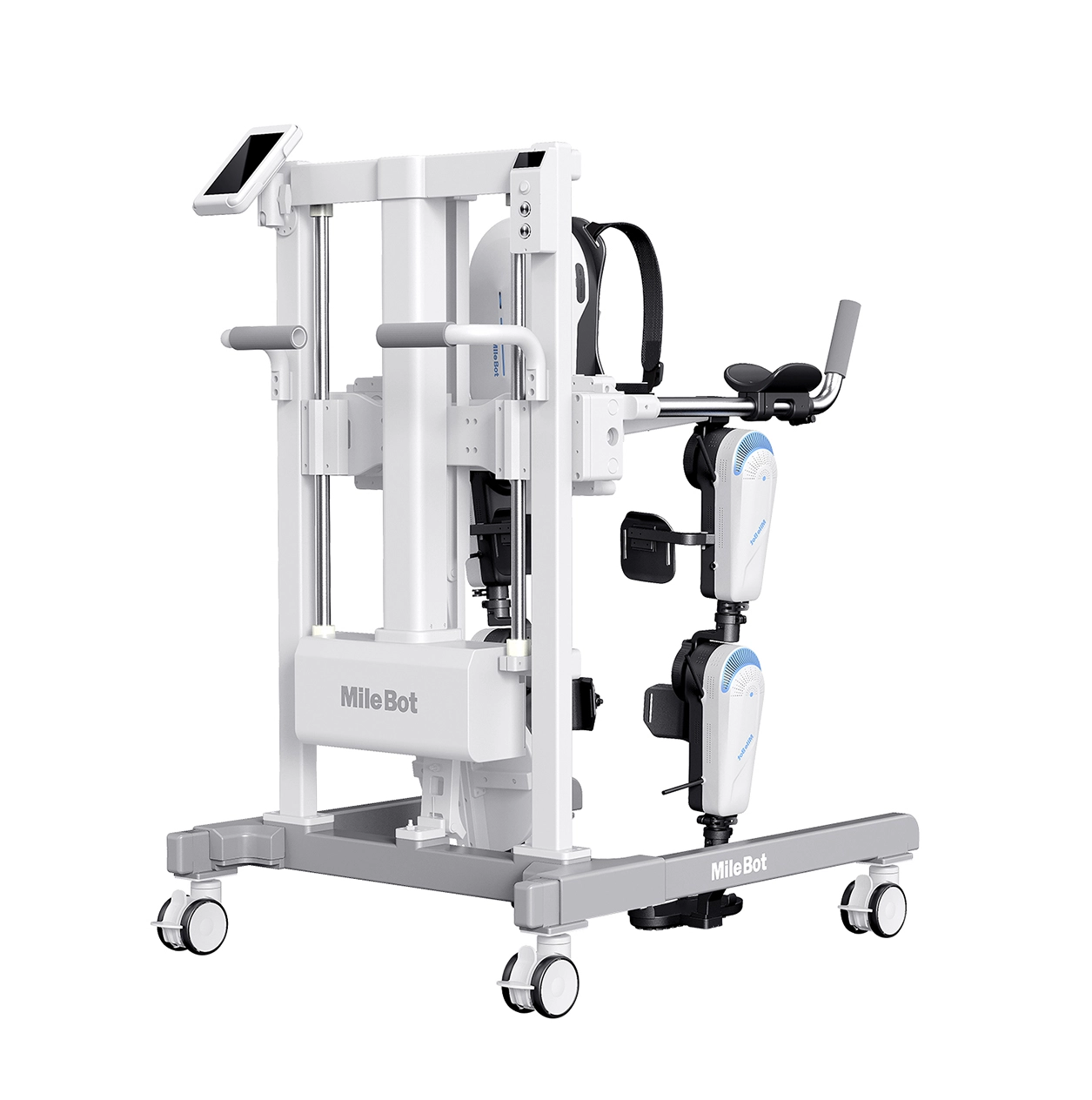
Over the past decade, exoskeleton technology has advanced from conceptual research to clinically proven assistive systems. At its core, an exoskeleton suit for disabled users mimics natural human movement, providing controlled mechanical support through intelligent sensors and actuators.
| Component | Description | Function |
|---|---|---|
| Sensors | Detect movement intention | Facilitate motion through real-time feedback |
| Actuators | Motorized joints | Provide powered or mechanical movement |
| Feedback Mechanisms | User-device communication | Ensure precise control and safety |
Leading exoskeleton companies such as ReWalk, Ekso Bionics, and MileBot are pioneering innovations that combine lightweight materials, smart control systems, and ergonomic design to enhance walking rehabilitation outcomes. These systems adapt dynamically to user needs, helping individuals walk again after spinal cord injuries, strokes, or age-related mobility decline.
In modern neurological rehabilitation centers, therapists increasingly integrate exoskeleton rehabilitation into patient care. These leg recovery robot systems assist in reestablishing walking ability, improving strength, and stimulating neural pathways responsible for movement.
Key rehabilitation benefits include:
Improved walking gait, coordination, and posture
Increased muscle strength and endurance
Enhanced cardiovascular and metabolic health
Stimulation of neural recovery after injury
Supervised by trained professionals, exoskeleton-assisted therapy helps patients practice safe, repetitive walking motions — accelerating recovery while maintaining optimal safety standards.

Different exoskeletons are designed for specific mobility goals and user needs. From lightweight leg exoskeletons for the elderly to full-body systems for severe disabilities, these devices provide personalized solutions.
| Type | Ideal Users | Key Features |
|---|---|---|
| Leg Exoskeleton | Elderly, mobility-impaired | Supports walking, improves balance |
| Full-Body Exoskeleton | Severely disabled | Provides complete body support |
| Passive Exoskeleton | General users | Mechanical assistance without motors |
The leg exoskeleton for elderly persons is particularly popular for individuals seeking postural stability and walking support, while medical exoskeletons are used in clinical rehabilitation to rebuild motor control and strength.
The integration of exoskeleton technology in rehabilitation has transformed patient outcomes across age groups. Here are the most notable advantages:
Restored Mobility – Enables users to stand, walk, and perform tasks independently.
Improved Muscle Health – Promotes regular movement and reduces muscle atrophy.
Better Circulation & Heart Health – Encourages physical activity, reducing long-term health risks.
Enhanced Mental Well-being – Increased confidence and participation in social activities.
Regular use of medical exoskeletons not only enhances physical recovery but also helps patients regain autonomy — improving both mental and emotional health.
While the benefits are extensive, users and caregivers must also understand the limitations of exoskeleton rehabilitation technology:
Potential discomfort during extended sessions
Risk of over-reliance, reducing natural mobility training
Cost and training requirements for optimal use
Technical limits, such as battery life and device weight
Manufacturers like MileBot are addressing these challenges by developing lighter materials, longer battery performance, and AI-driven customization to improve comfort and usability.
The future of exoskeleton therapy looks exceptionally promising. With advances in AI-driven movement control, wearable sensors, and tele-rehabilitation platforms, these systems are becoming integral to long-term recovery programs in neurological rehabilitation centers, especially as innovations such as the soft exosuit for sale bring new lightweight and flexible options to the market.
As exoskeleton companies continue innovating, devices are becoming more affordable, adaptive, and available for home-based therapy — empowering more people to regain mobility and independence.
For elderly users, stroke survivors, and those with spinal injuries, the next generation of leg exoskeletons offers freedom of movement once thought impossible.
Exoskeleton therapy has revolutionized the treatment of mobility issues, blending technology, rehabilitation, and human determination into one transformative solution. Though challenges remain, its benefits — from muscle recovery to improved confidence — make it an essential part of modern rehabilitation programs.


 English