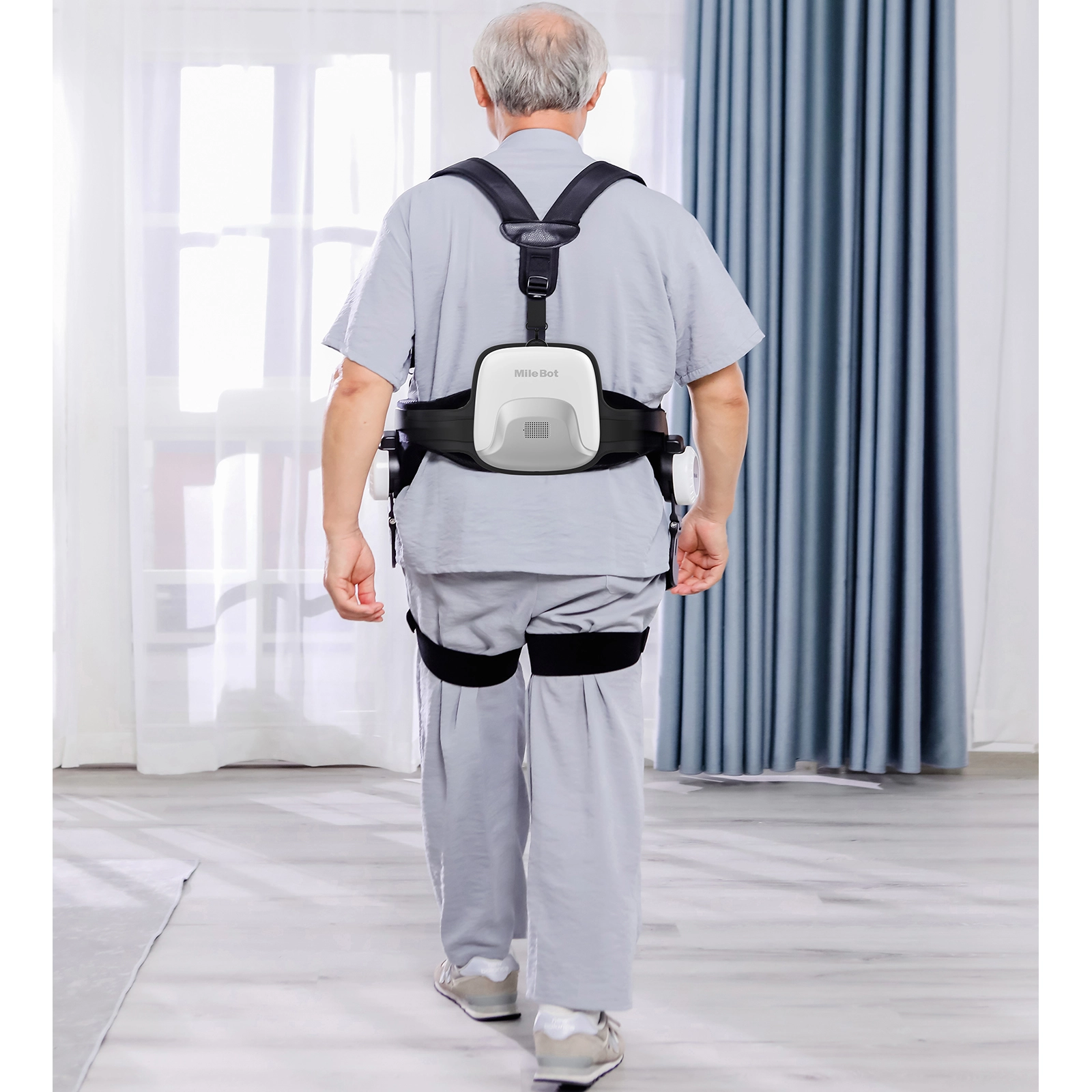
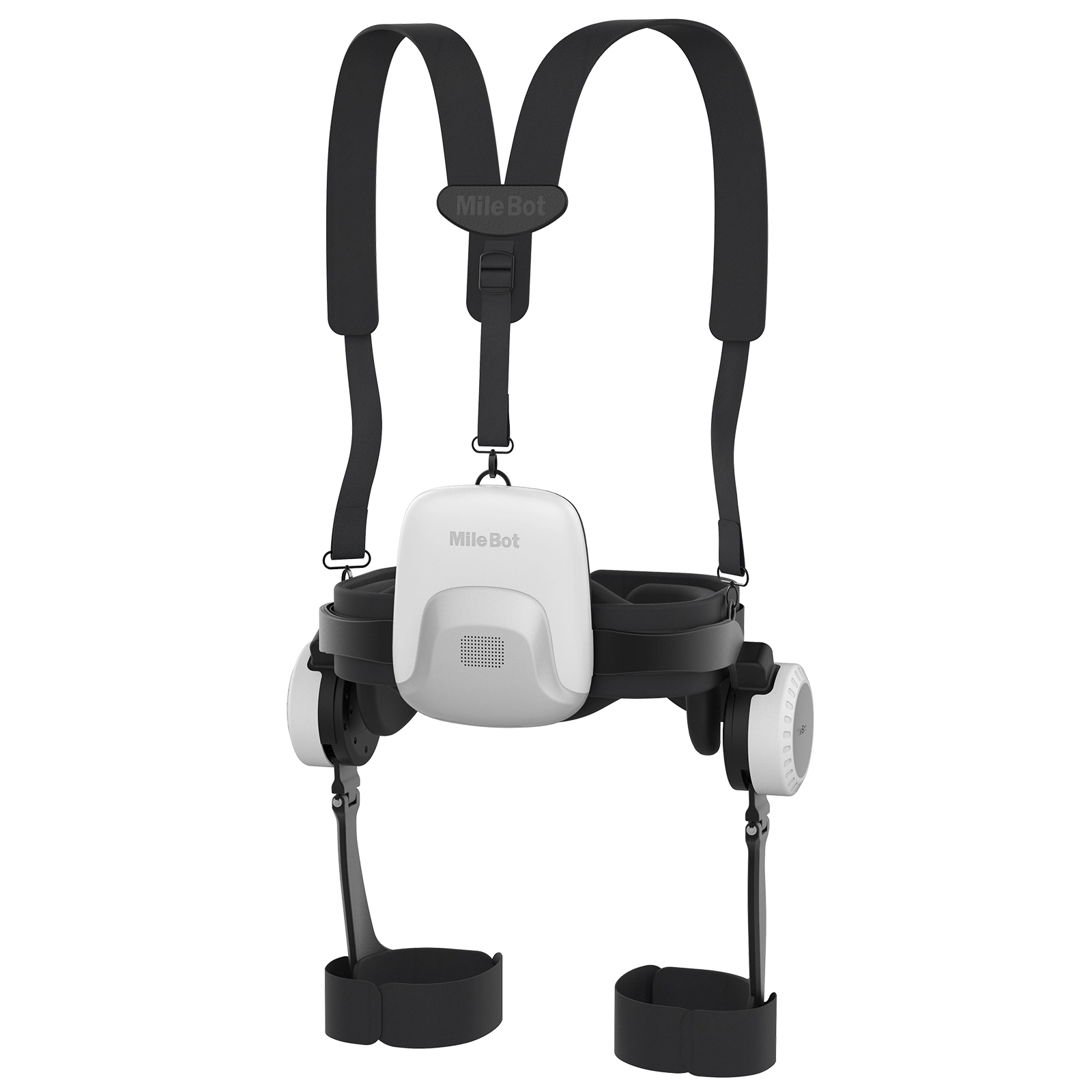
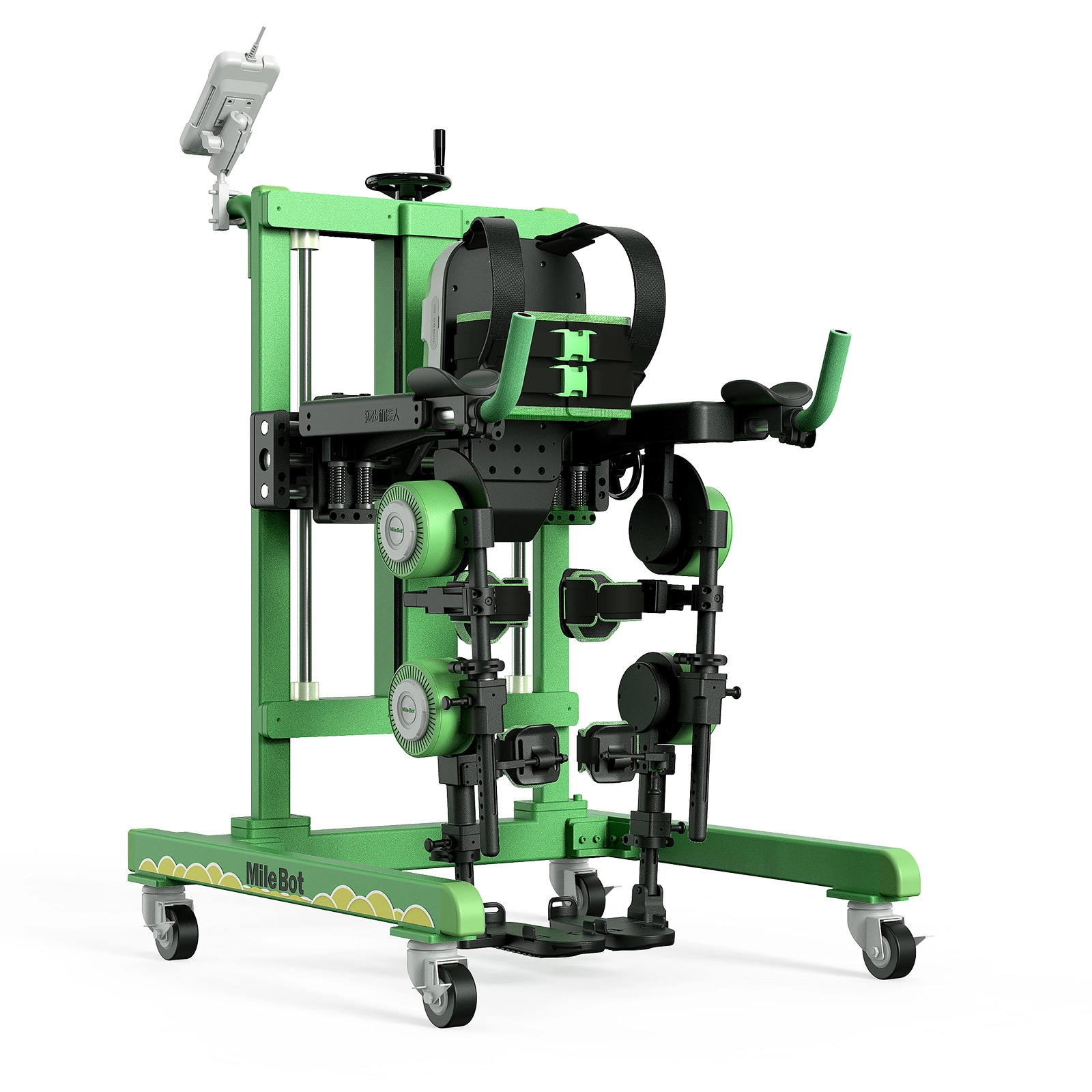
The emergence of robotic walking aid technology has revolutionized mobility assistance, offering unprecedented support for individuals recovering from injuries or dealing with long-term movement disorders. MileBot Robotics, a pioneer in rehabilitation robotics since 2016, has developed innovative solutions that combine exoskeletal support with intelligent responsive technology. Selecting the appropriate robotic walking aid requires careful consideration of several factors – from the user's specific condition to the technological capabilities of different devices.
An effective robotic walking aid must match the user's physical requirements and recovery goals. Patients with partial paralysis may need different support features than those recovering from lower limb injuries. As part of the broader types of rehabilitation robots, MileBot's devices employ compliant actuator technology, allowing the system to detect the user's movement intention and provide proportional assistance. This adaptive capability makes their robotic walking aid particularly valuable for users with fluctuating strength or progressive conditions, as the device automatically adjusts support levels throughout rehabilitation and daily use.
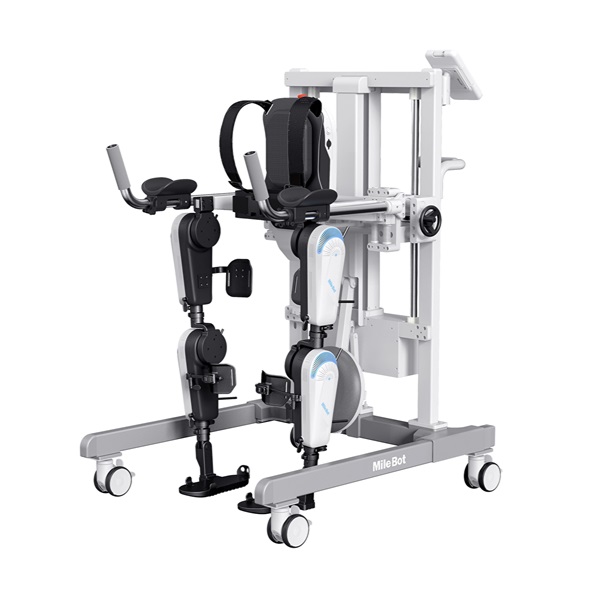
Modern robotic walking aid solutions incorporate numerous technological elements that enhance functionality. The integration of IoT connectivity enables real-time data collection, giving therapists insights into the user's walking patterns and recovery progress. Battery life, weight distribution, and ease of use are equally crucial – a well-designed robotic walking aid should feel like a natural extension of the body rather than cumbersome equipment. MileBot's focus on intelligent system design has resulted in devices that balance power with wearability, offering meaningful support without sacrificing comfort during extended use.
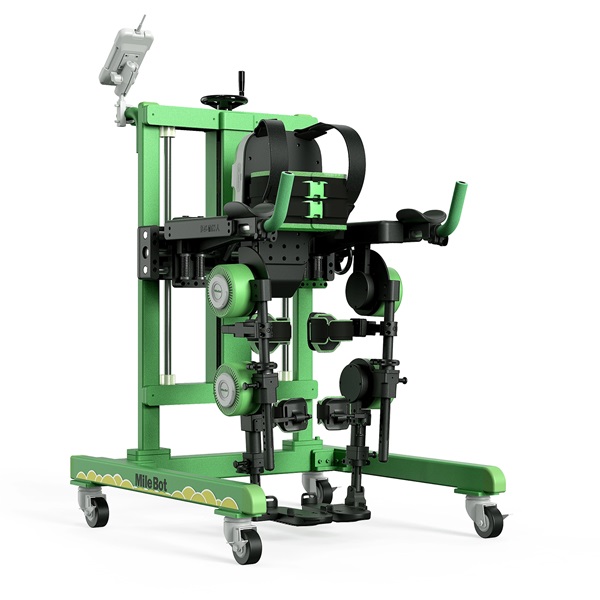
The table below highlights the transformative advantages of MileBot's robotic walking aid over conventional mobility support devices:
Feature | MileBot Robotic Walking Aid | Traditional Walking Aids |
Assistance Mechanism | Active support with responsive force adjustment | Passive support only |
Therapeutic Value | Promotes neuromuscular rehabilitation | Provides basic stability |
Gait Monitoring | Continuous tracking of biomechanical data | No tracking capability |
Adaptability | Automatic updates based on patient progress | Fixed functionality |
Long-term Benefits | Supports functional recovery | Maintains current mobility level |
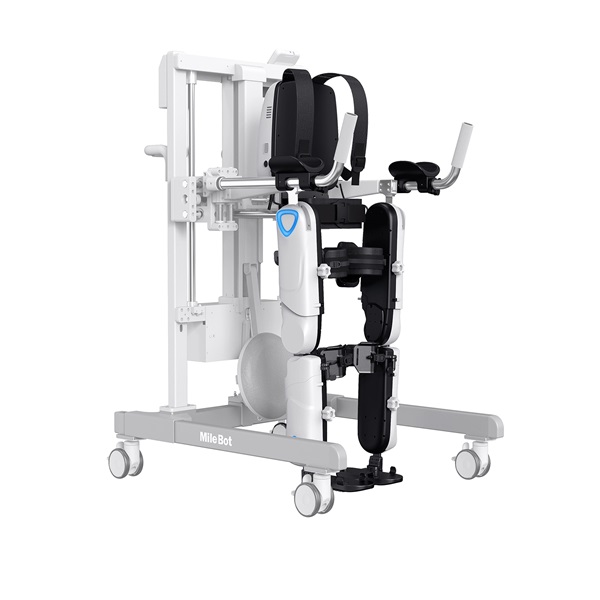
The ideal walking aid robot should enhance mobility while encouraging active participation in movement. Overly supportive devices may discourage muscle engagement, while insufficient assistance can cause fatigue or compensatory movement patterns. MileBot's approach ensures that users receive just enough help to move confidently while maintaining therapeutic challenges that promote strength building. The device's intelligent interaction technology provides graduated resistance as the patient improves, making certain that rehabilitation continues effectively in clinical and real-world settings.
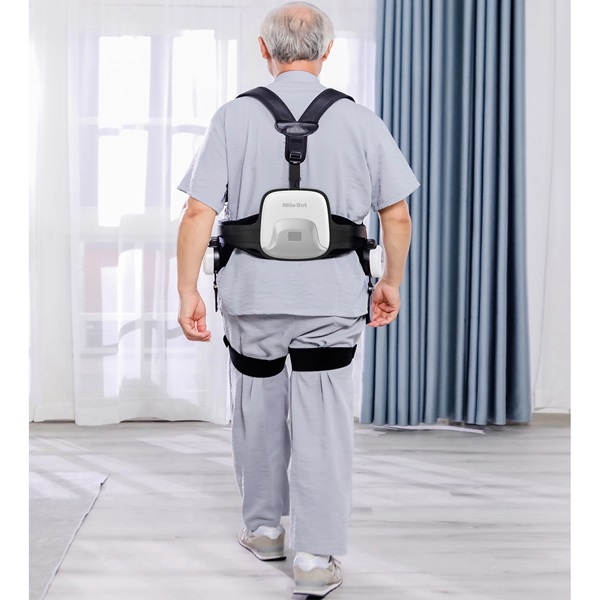
Since expanding globally in 2022, MileBot has continued refining its robotic walking aid technology to improve accessibility and customization. As innovation accelerates across leading rehabilitation robotics companies, future developments will likely focus on AI-driven adaptation, lighter materials, and more intuitive control mechanisms. While selection criteria vary across users, the ultimate goal remains consistent: a robotic walking aid that provides seamless, intelligent assistance tailored to each individual's recovery journey.
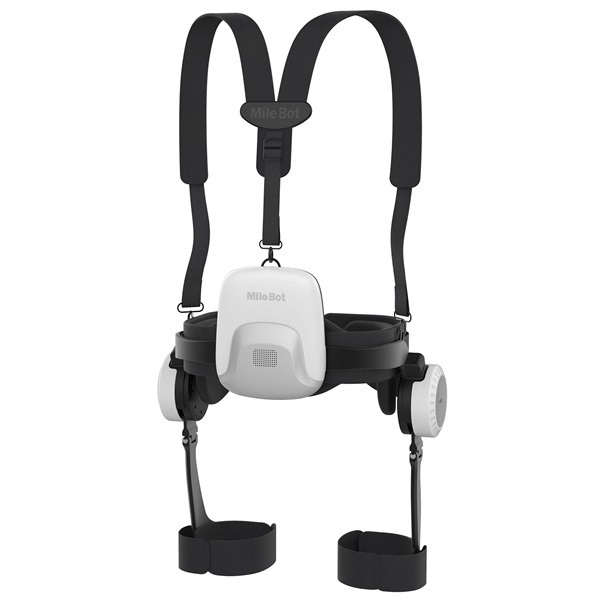
For patients and therapists seeking optimal mobility solutions, understanding these key considerations ensures an informed choice that maximizes recovery potential. With technological advancements continually reshaping rehabilitation possibilities, the right robotic walking aid can make the difference between compromised movement and a renewed sense of independence.
Exoskeletons for the Elderly: Safety Tips for Enhanced Mobility and Independence
What Does a Walking Assist Robot Do? Exploring the Future of Mobility
Robotic Walking Rehabilitation Device: Making Walking Not a Dream


 English