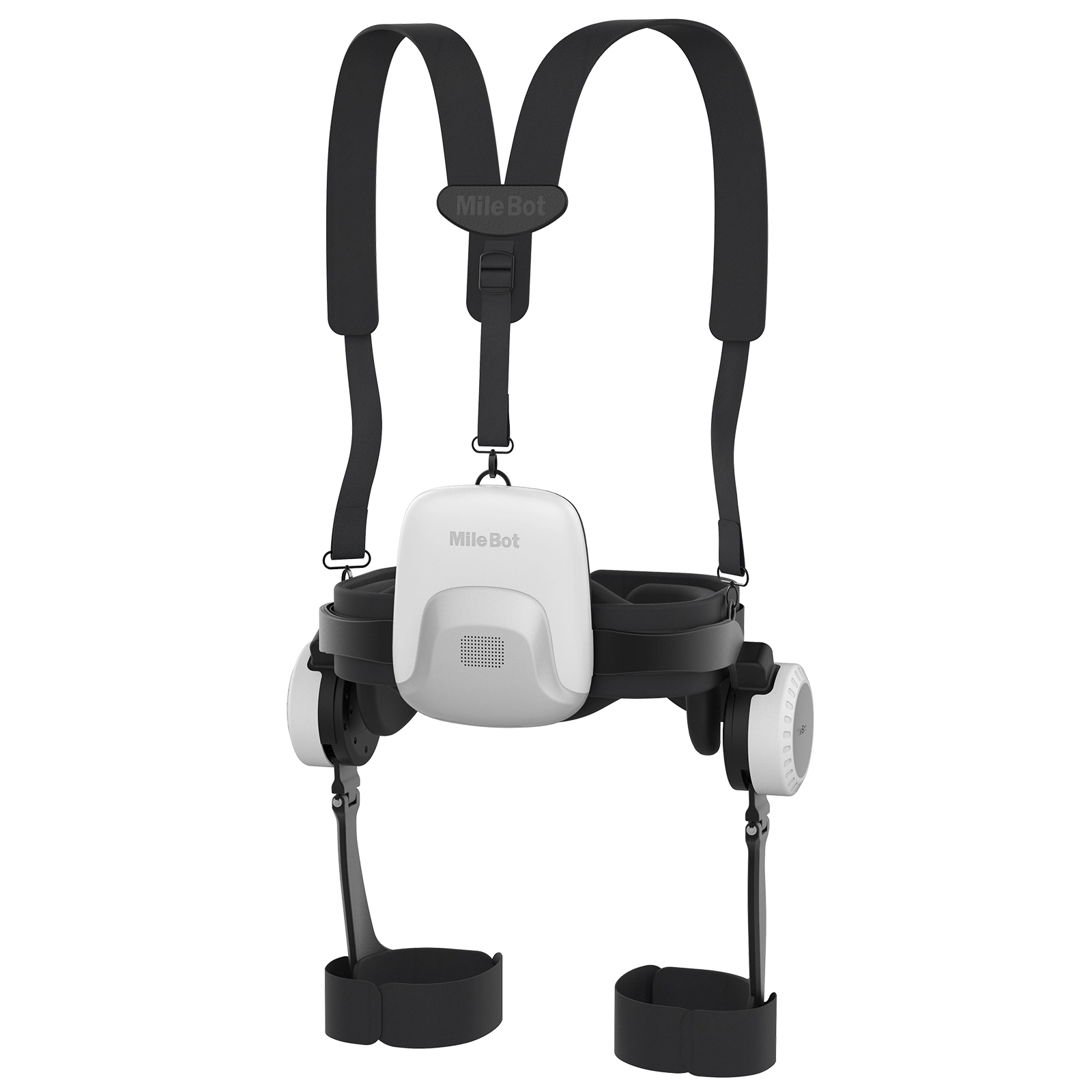
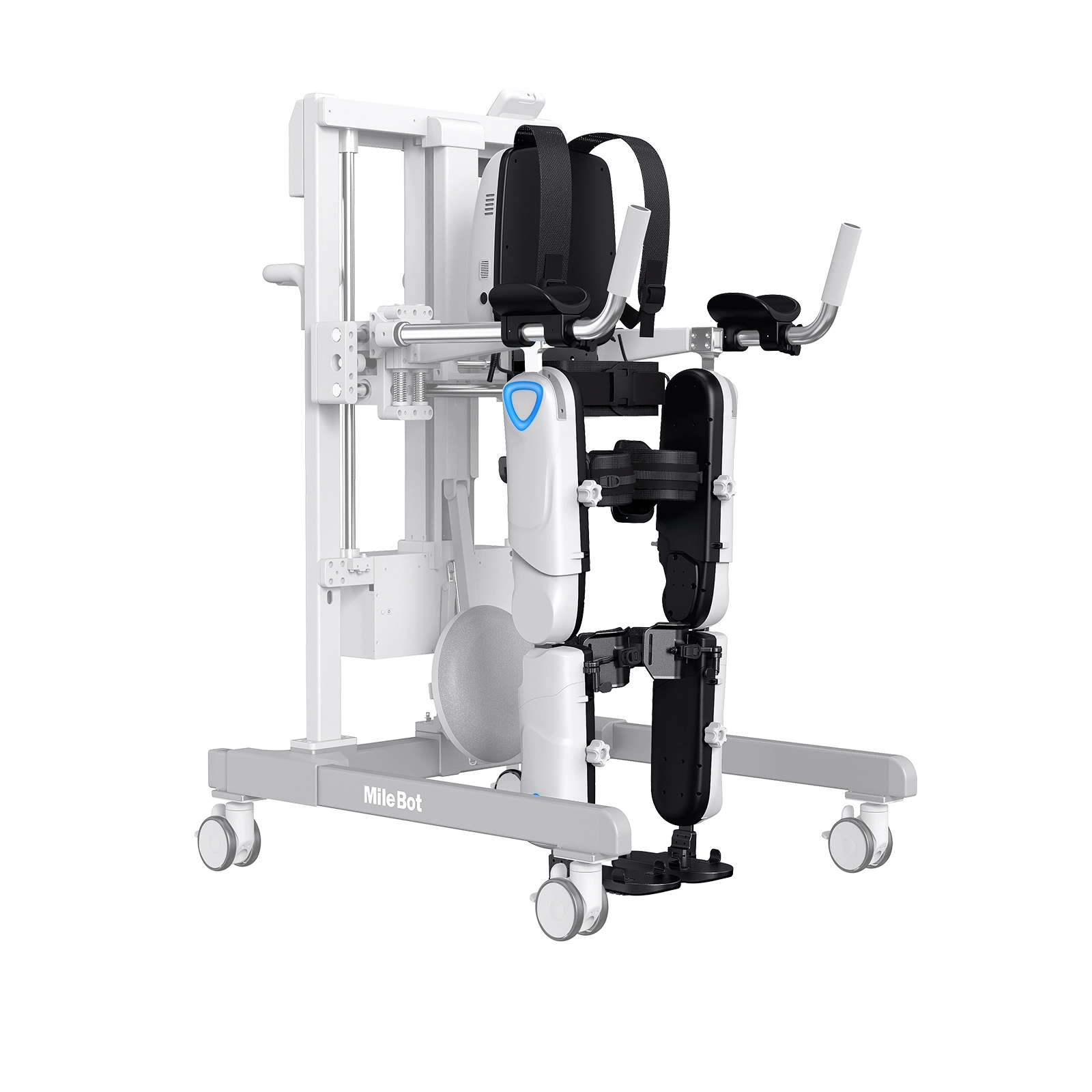
The field of medical rehabilitation is undergoing a remarkable transformation as robotic rehabilitation devices enter mainstream clinical use. MileBot Robotics, founded in 2016 by experts in robotic rehabilitation technologies, stands at the forefront of this revolution with its innovative line of intelligent exoskeletal systems. From hospitals to rehabilitation centers worldwide, the company's solutions—including its groundbreaking soft exosuit for sale—are redefining recovery paradigms for patients with mobility impairments.
Modern robotic rehabilitation devices represent a significant departure from traditional therapy methods. Among leading rehabilitation robotics companies, MileBot’s systems incorporate compliant actuator technology that establishes a responsive connection between machine and patient. This innovation allows devices to detect user intention and provide just the right amount of assistance needed—no more, no less. The company's soft exosuit for sale exemplifies this approach, combining lightweight materials with smart actuation to create a barely-there sensation that still delivers powerful therapeutic benefits. What makes these systems truly transformative is their ability to perform continuous motion analysis and adjustment throughout each therapy session, something impossible for even the most skilled human therapists to replicate manually.
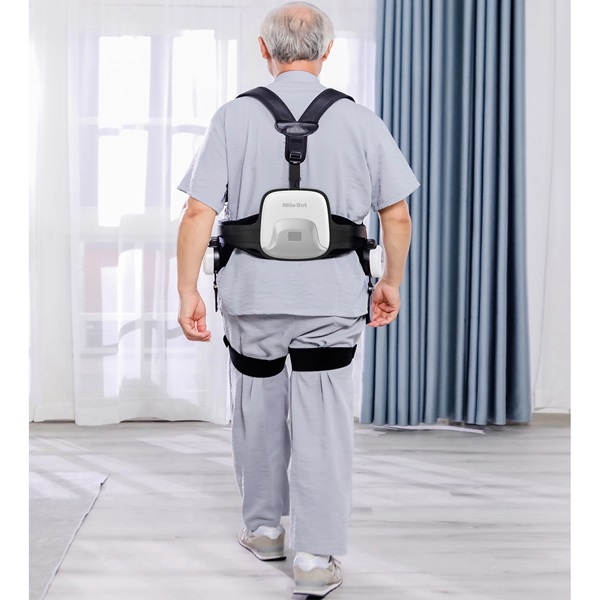
Unlike bulky rehabilitation equipment confined to medical facilities, MileBot's robotic rehabilitation devices bridge the gap between clinical therapy and daily life. The exoskeleton for ms particularly shines in this regard—its streamlined design allows for discreet wear under clothing, enabling therapy to extend beyond hospital walls. This continuity of treatment proves crucial for neurorehabilitation, where consistent, repetitive motion practice significantly impacts recovery outcomes. The company's IoT-enabled systems also provide therapists with valuable data about patient progress outside clinical settings, allowing for more personalized treatment plan adjustments based on real-world performance metrics.
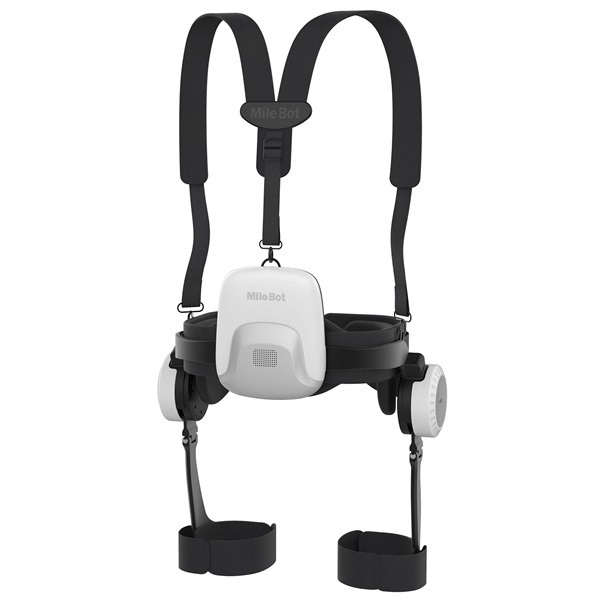
The advantages of robotic rehabilitation devices become clear when examined alongside conventional methods. Compared with other types of rehabilitation robots, traditional physical therapy relies heavily on therapist-patient interactions that can suffer from fatigue and inconsistency, while robotic systems maintain perfect precision through countless repetitions. Where manual therapy struggles to quantify progress objectively, smart exoskeletons generate precise biomechanical data to track recovery milestones. The soft exosuit for sale introduces added benefits—its lightweight design eliminates the intimidation factor of traditional exoskeletons, potentially improving patient acceptance and compliance. Perhaps most importantly, robotic systems can provide more intensive training sessions than human-assisted therapy alone, a critical factor in neuroplasticity and functional recovery.
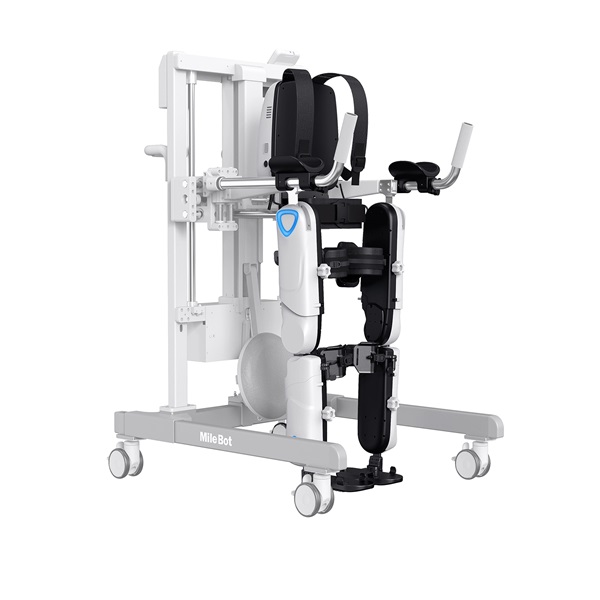
Since launching internationally in 2022, MileBot has worked to make its robotic rehabilitation devices like ms exoskeleton accessible to broader populations. The introduction of a soft exosuit for sale represents a strategic move toward more affordable, scalable rehabilitation technology—maintaining therapeutic effectiveness while reducing barriers to adoption. These technologies aren't designed to replace human therapists but rather to amplify their capabilities, allowing each clinician to treat more patients without compromising quality. In rural areas and developing nations where rehabilitation specialists are scarce, such devices could revolutionize access to care by enabling remote therapy supervision and autonomous training sessions.
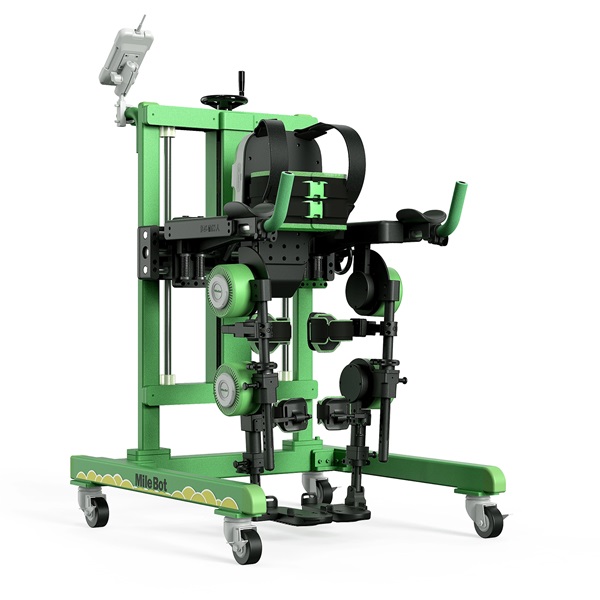
As MileBot continues refining its robotic rehabilitation devices, the potential applications keep expanding. The soft exosuit for sale marks just one milestone in a longer journey toward fully integrating robotic assistance into everyday rehabilitation practice. Future developments may see these technologies becoming even more intuitive, affordable, and specialized for various conditions—from stroke recovery to spinal cord injuries, and even supportive exoskeleton legs for elderly persons who need assistance with daily mobility. Yet the core philosophy remains unchanged: using technology not as a replacement for human care, but as a tool to enhance it, making high-quality rehabilitation achievable for every patient.


 English