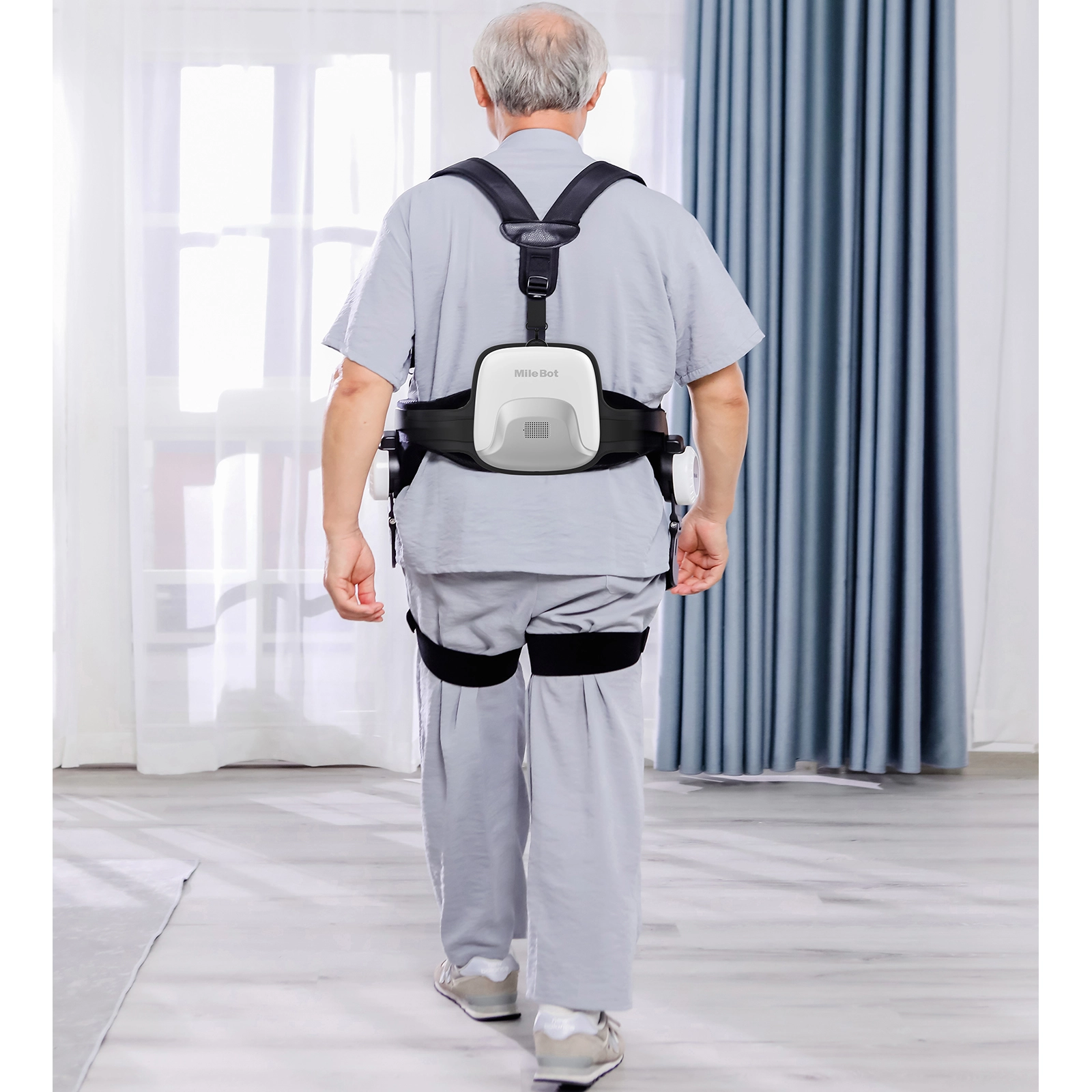
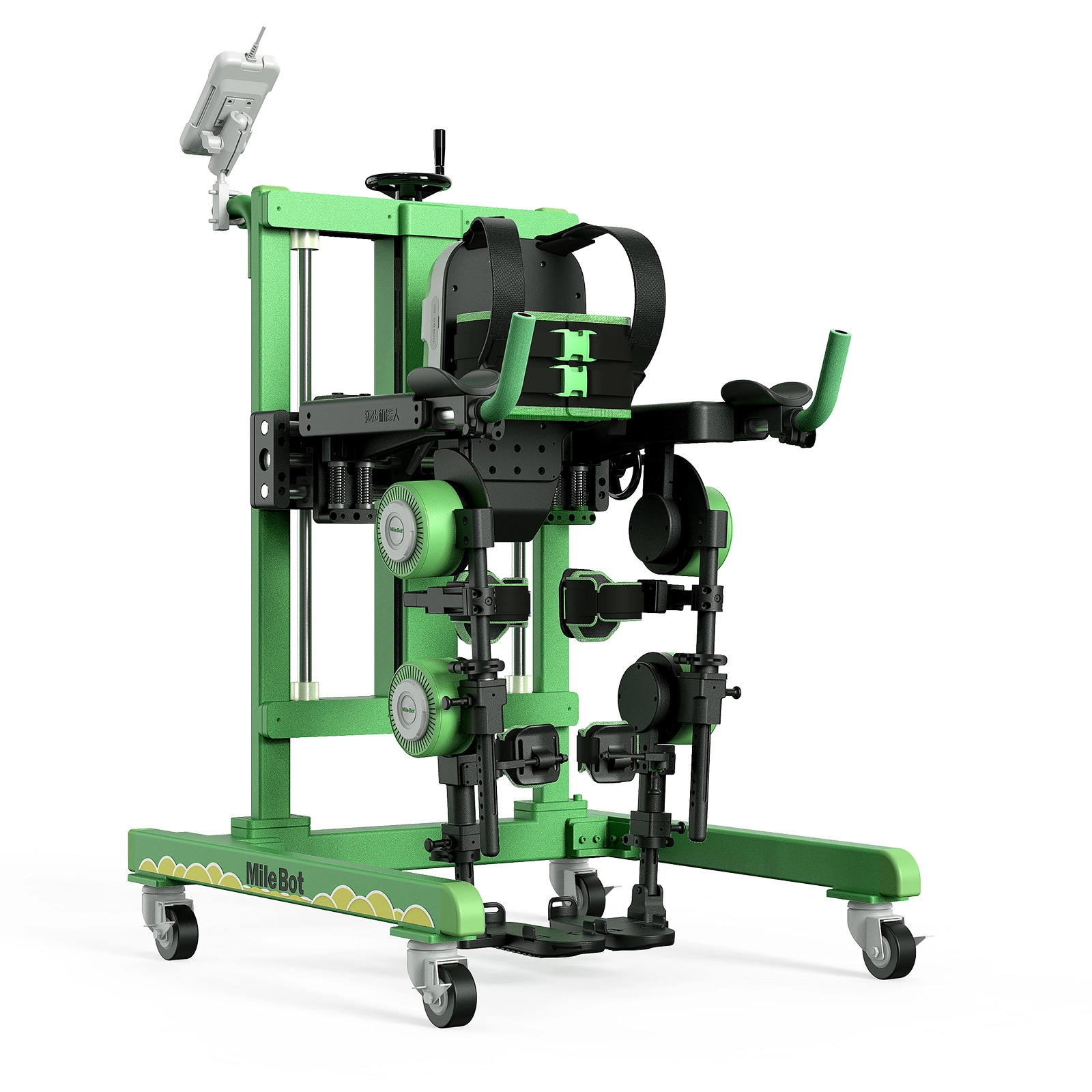
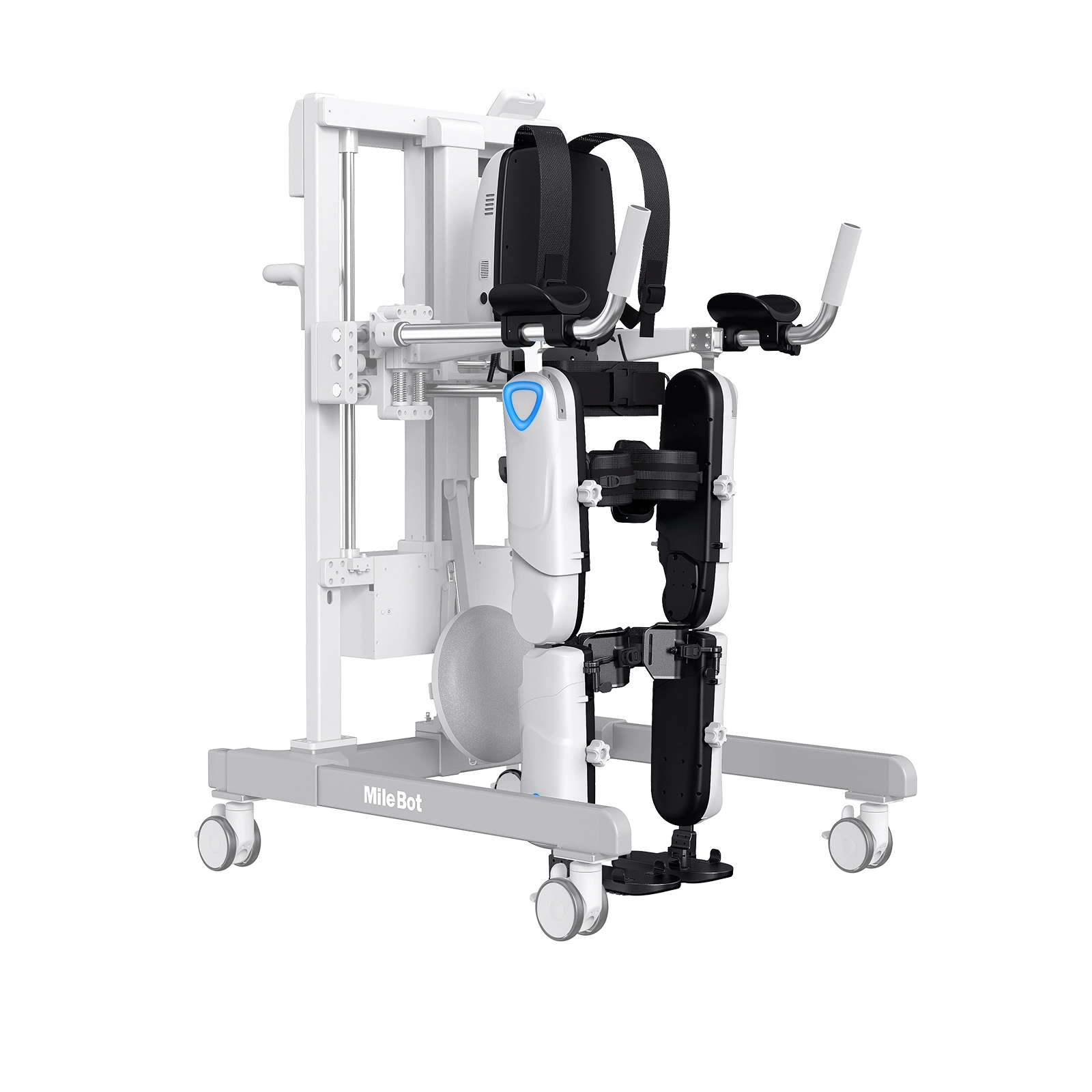
Multiple sclerosis (MS) presents complex mobility challenges that often evolve unpredictably, requiring adaptive solutions that standard assistive devices cannot provide. MileBot Robotics has pioneered an exoskeleton for MS patients that addresses these unique needs through intelligent, responsive technology.
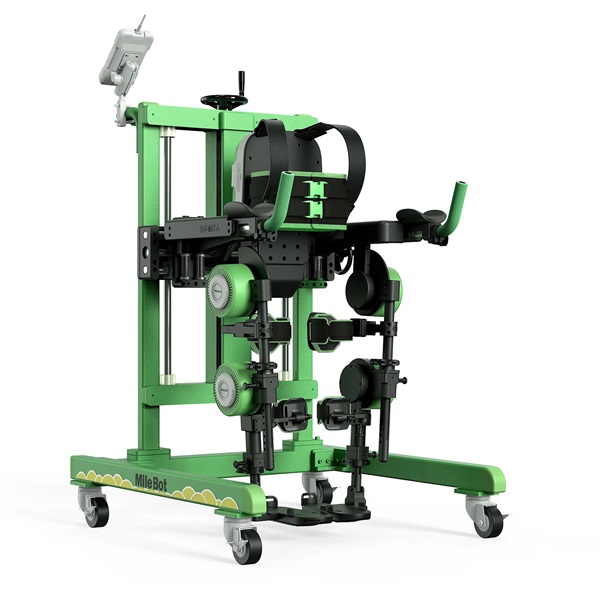
The hallmark of MileBot's exoskeleton for ms patients lies in its ability to accommodate the unpredictable nature of MS symptoms. Unlike static braces or conventional walking aids, this robotic system employs compliant actuators that adjust support levels in real-time based on sensor-detected muscle activity and gait patterns. When fatigue sets in—a common challenge for MS patients—the exoskeleton intuitively increases assistance without requiring manual adjustments. This responsive technology helps maintain mobility independence throughout good and bad symptom days, adapting to the user's changing capabilities rather than imposing fixed support parameters.

Beyond basic mobility assistance, the exoskeleton for MS patients serves as a therapeutic tool by promoting neuroprotective movement patterns. The system guides joints through biomechanically correct trajectories, reducing compensatory movements that could lead to secondary musculoskeletal issues. This aspect proves particularly valuable for MS patients, as it helps preserve remaining motor function while minimizing energy expenditure. The exoskeleton's IoT connectivity allows therapists to monitor usage patterns and symptom fluctuations, enabling data-driven adjustments to rehabilitation protocols as the disease progresses.
When compared to conventional mobility solutions for MS patients, MileBot's approach demonstrates distinct advantages. Among the various types of rehabilitation robots available today, MileBot’s exoskeleton stands out for its active engagement with the user’s body. Standard canes and walkers provide passive support but offer no assistance with muscle activation or movement initiation. Wheelchair use, while sometimes necessary, can lead to disuse atrophy. In contrast, the exoskeleton for MS patients actively engages residual neuromuscular pathways while supporting weakened muscles. This technology bridges a critical gap between traditional options—providing substantial support when needed while still encouraging active participation and functional movement retention.
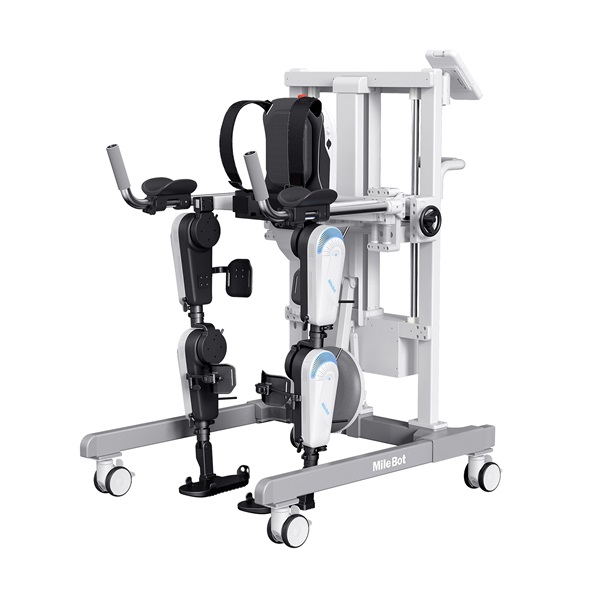
The practical impact of the exoskeleton for MS patients becomes most evident in real-world applications. Users report regained ability to perform daily activities with reduced fatigue—from household tasks to short community walks—that had become increasingly difficult due to MS progression. The system's lightweight design and ergonomic fit minimize additional physical burden, while intuitive controls ensure accessibility even during cognitive fog episodes. For many patients, this technology has restored not just mobility but confidence in navigating daily life despite their condition.
As MS research continues to emphasize the importance of maintaining mobility and activity levels, exoskeleton for MS patients from MileBot, one of leading rehabilitation robotics companies, stands at the intersection of rehabilitation science and technological innovation. By combining responsive robotics with deep neurological understanding, the system offers more than mechanical support—it provides a customizable pathway for patients to maintain their highest possible functional independence throughout their MS journey. The technology exemplifies MileBot's founding principle that advanced robotics should not replace human capability, but rather empower it against neurological challenges.


 English