Recovering mobility after a stroke is one of the greatest challenges many patients face. Traditional physical therapy is essential, but in recent years robotic exoskeletons have emerged as a powerful tool to complement rehabilitation, enhancing outcomes in walking, strength, coordination, and confidence. Mile-Bot’s suite of exoskeleton and gait-assist systems aims to push the limits of what stroke survivors can achieve. In this article, we explore how these devices work, what benefits they bring, what obstacles remain, and where future innovation may lead.
Stroke can cause a range of impairments depending on location and severity: hemiparesis (weakness on one side), loss of motor control, spasticity, imbalance, difficulty shifting weight, fatigue, risk of falls, and reduced endurance. Many stroke survivors struggle with asymmetrical gait, limited hip-knee-ankle coordination, inability to stand or walk without support, and loss of confidence in mobility.
The core rehabilitation needs thus include: restoring or improving walking ability; increasing muscle strength (especially lower limbs); retraining balance and coordination; reducing dependency on assistive devices; enhancing cardiovascular endurance; and boosting psychological well-being. Any therapeutic approach that addresses multiple of these simultaneously stands stronger.
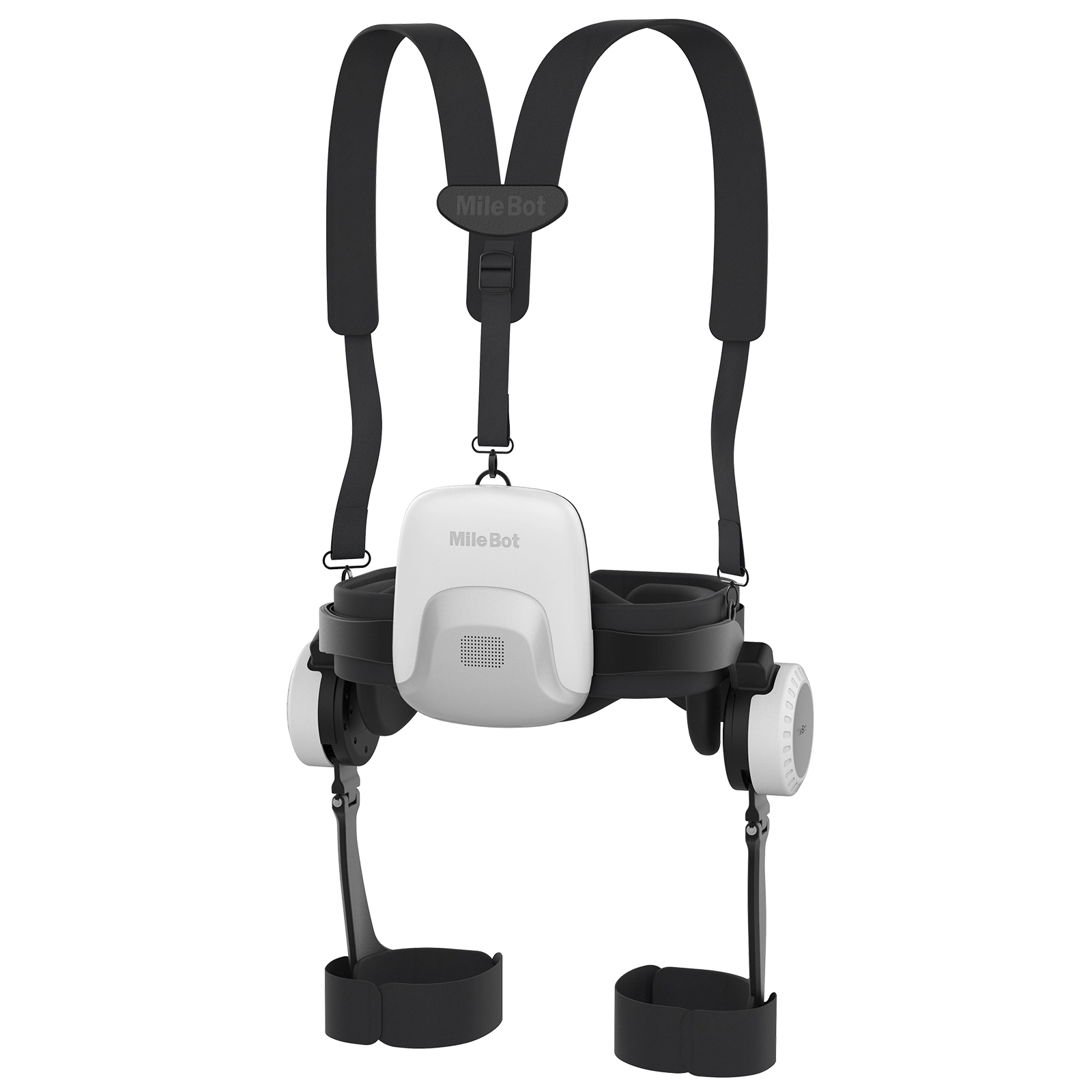
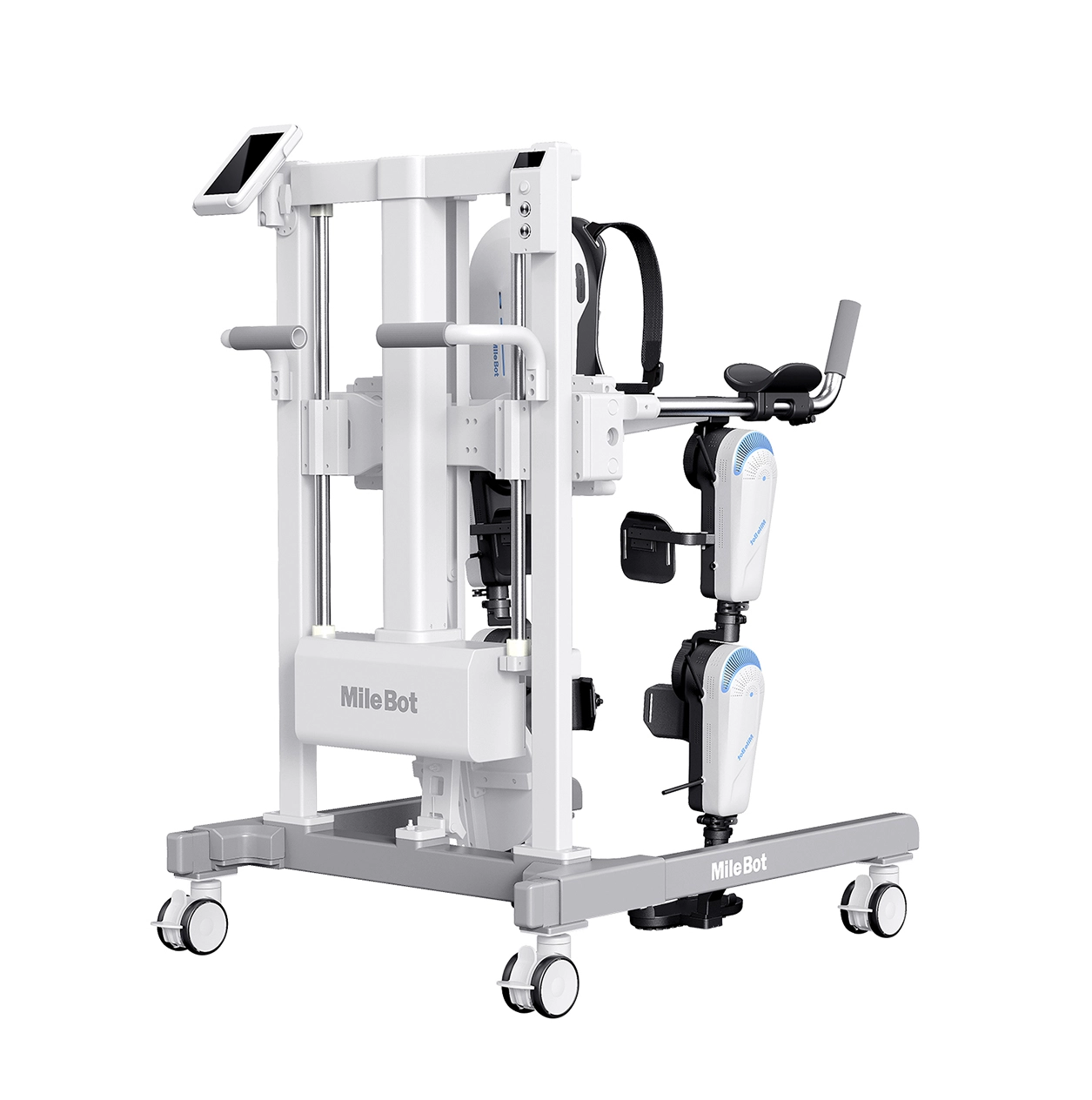
The exoskeleton stroke is wearable devices that assist, augment, or guide movement. Mile-Bot offers several product lines under its Stroke Exoskeleton category:
BEAR (H Series): Rehabilitation robots with both active and passive training modes for adult patients.
BEAR (A Series): Exoskeleton rehabilitation robots for adult patients with locomotor dysfunction, providing passive training modes.
RELAX (C Series): Designed for children (height between ~90 cm to 150 cm), with preset rehabilitation programs.
MAX Series (M & F): Lightweight gait-assist exoskeletons to reduce effort during walking; the MAX M Series connects via Bluetooth to a mobile app for monitoring.
Key technological features include sensors that detect joint angles / gait phase; actuators to assist motion; modes allowing both passive movement (where the device moves the limb) and active/assistive movement (where the patient contributes); adjustability to individual user’s height, weight, strength; and data logging for tracking progress. Comfort, safety, and ease of transferring in/out of the device are also crucial.
Early research and user feedback point to several measurable benefits from exoskeleton-assisted therapy:
Mobility Improvement: Patients using exoskeletons often walk more symmetrically, with better step length, improved gait speed, and more stable balance. For example, using devices like Mile-Bot’s BEAR series, users may see improvements when transitioning from severely impaired gait toward more independent walking. (While specific published trials for Mile-Bot may still be in progress, general literature supports consistent mobility gains.)
Muscle Strength & Endurance: Assisted walking and repeated movement through exoskeletons help counter muscle atrophy and fatigue. Regular sessions increase endurance, allowing patients to walk longer distances or stand for longer periods without exhaustion.
Neuroplasticity & Motor Control: Repetitive, high-quality movements encourage the nervous system to rewire. Stroke recovery heavily depends on neuroplastic changes; exoskeletons can deliver precise movement patterns that reinforce proper gait and balance.
Psychological & Quality-of-Life Gains: Regaining mobility is tied to greater independence, confidence, reduced fear of falling, better mood, and social participation. Devices with user feedback (e.g. app monitoring, gamified interaction) can enhance motivation and compliance.
While full large-scale randomized controlled trials are still fewer, initial pilot studies and clinical use cases show positive trends. Mile-Bot’s product descriptions emphasize personalized therapy, adjustable training modes, and support for neuroplasticity.
Even with promising outcomes, several challenges remain:
Cost & Accessibility: Robotic exoskeletons are expensive devices. Not all patients or clinics can afford them. Insurance coverage or subsidy programs may be limited. Lowering production cost, increasing affordability, and creating leasing or pay-per-session models may increase access.
Customization & Fit: Patients differ widely in size, level of impairment, residual strength, spasticity, and endurance. Ensuring exoskeletons can be adjusted for height/weight/strength, ensuring comfort (avoiding chafing, fitting straps and joints properly) is critical.
Learning Curve & Supervision: Using an exoskeleton safely often requires trained therapists, especially at first. Ensuring safe transfers (wheelchair ↔ exoskeleton), adjusting modes without causing fatigue or injury are concerns.
Fatigue & Overuse: Since stroke survivors can fatigue easily, devices need modes to monitor exertion, adapt assistance level, and prevent overuse injuries.
Integration into Rehabilitation Programs: Exoskeletons work best when combined with traditional therapy (balance, manual therapy, functional tasks, gait training) rather than as standalone devices. Hybrid protocols are likely to produce better long-term outcomes.
Looking ahead, several trends seem promising:
Improved User Feedback & Gamification: Apps that track progress, provide immediate feedback or game-like tasks to motivate patients.
Lightweight / Portable Designs: More compact, lighter materials so devices can be used at home or community settings, not just in clinics.
Remote Monitoring & Tele-Rehabilitation: Ability to track therapy remotely, adjusting protocols without constant in-person supervision.
Large-Scale Clinical Trials & Long-Term Data: To solidify evidence for different populations / stroke types / time after stroke / cost-benefit, so regulatory bodies and insurers are more likely to support funding and reimbursement.
Stroke recovery is a complex, long journey — but this types of rehabilitation robots like those from Mile-Bot are helping to rewrite what’s possible. By combining sensor-driven assistance, adjustable training modes, and supportive design for both adults and children, these devices offer a powerful augmentation to traditional therapy. While challenges around cost, fit, fatigue, and broad accessibility remain, the momentum in research and innovation is strong.
For stroke survivors, caregivers, therapists, and medical providers: exploring exoskeleton-assisted rehabilitation might open doors to better walking, greater independence, and improved quality of life. If you’re considering such technology, talk to a clinician experienced in robotic rehab, ask about trials / demonstrations, and monitor progress closely. The future of stroke rehab is increasingly robotic — and with that comes new possibilities of recovery.


 English