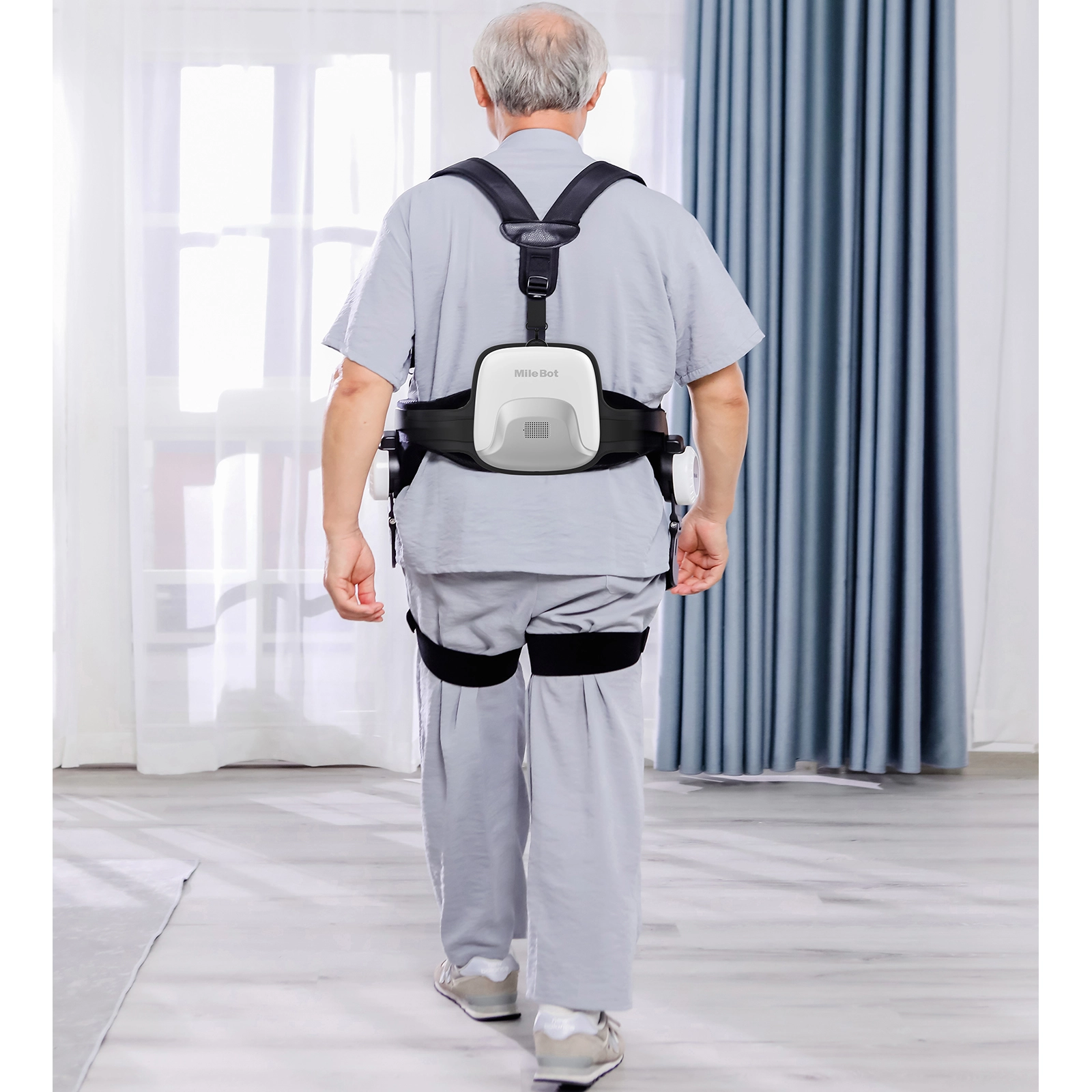
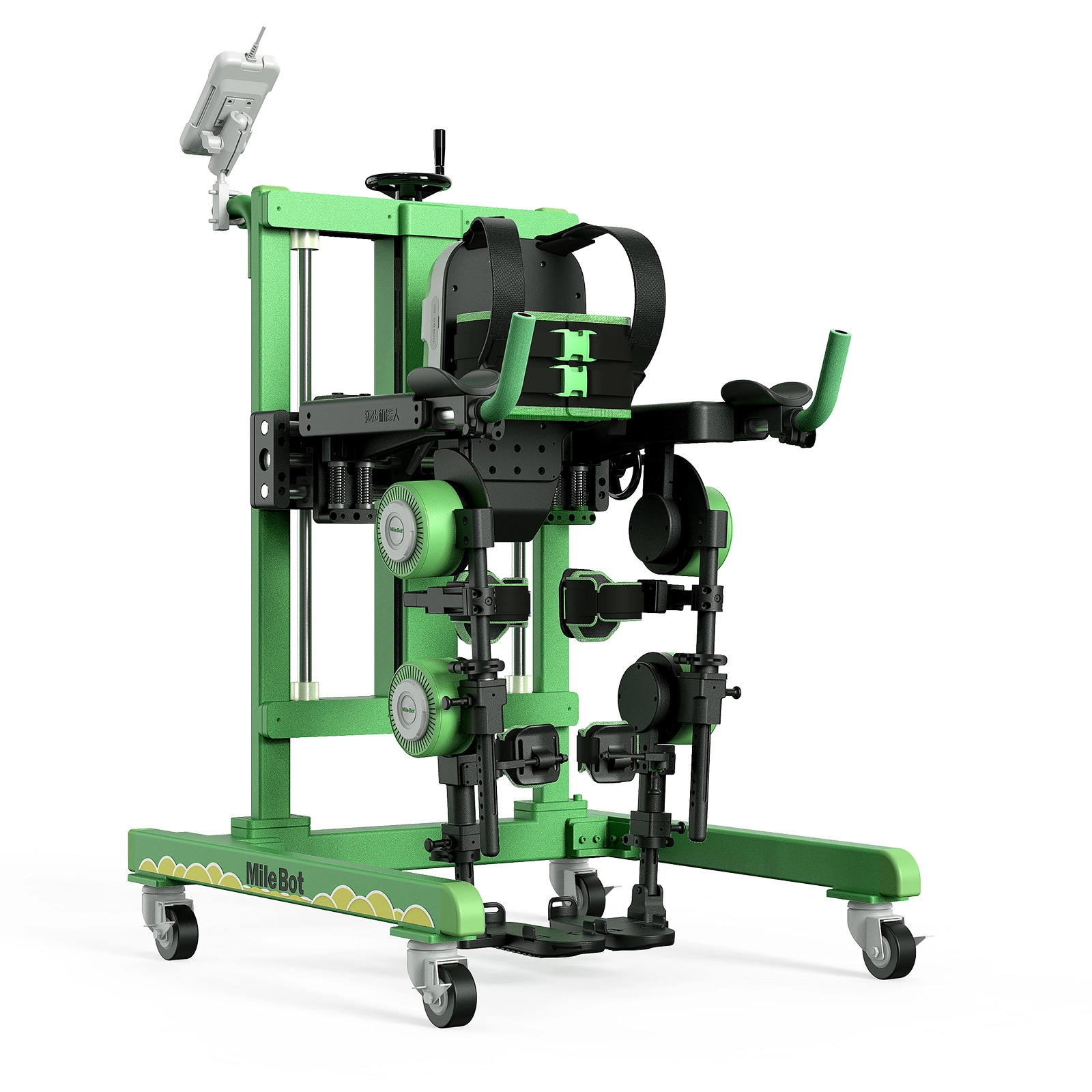
Neurological rehabilitation is a specialized and highly structured form of therapy designed to restore function, improve mobility, and enhance the quality of life for individuals suffering from nervous system injuries or diseases. This multidisciplinary approach integrates advanced technologies—such as the exoskeleton suit for disabled persons—with personalized treatment plans to address both physical and cognitive impairments.
Today, innovations like exoskeleton rehabilitation are transforming traditional recovery models, empowering patients with neurological conditions to regain independence faster. As one of the most impactful types of rehabilitation robots, these technologies are reshaping clinical practices. This guide explores what neurological rehabilitation involves, its key goals, therapies used, and how modern tools like leg exoskeletons are redefining recovery for patients worldwide.
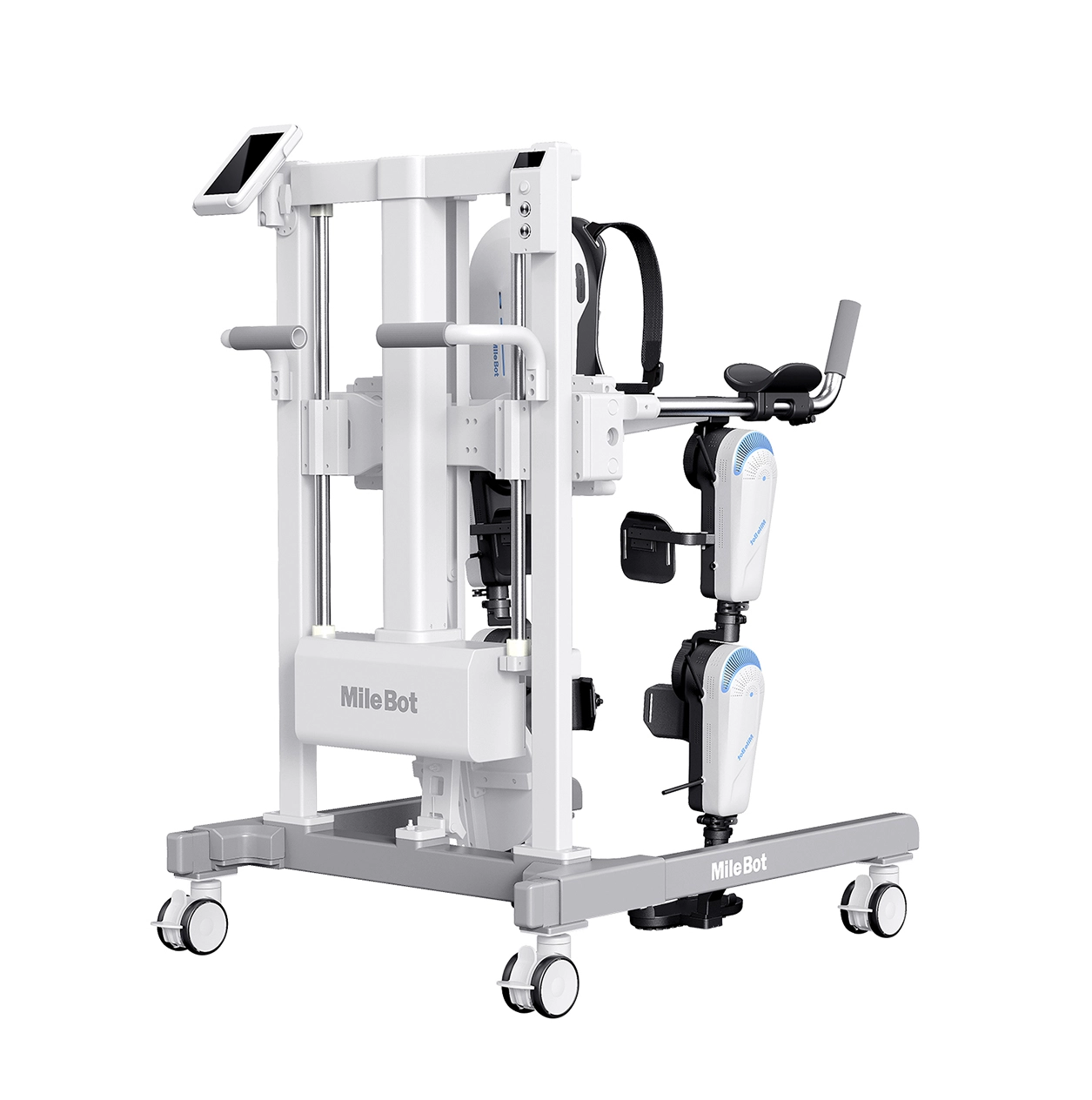
Neurological rehabilitation is a patient-centered therapy program that combines physical, cognitive, and psychological interventions to help individuals recover after a neurological injury or disorder. It aims to restore movement, improve communication, and rebuild daily living skills — enabling a more independent life.With the advancement of walking rehabilitation devices such as the exoskeleton for elderly persons, therapy has become more efficient and engaging. These innovations—developed by leading exoskeleton companies—integrate seamlessly into rehabilitation programs, assisting therapists in delivering measurable progress and reducing recovery fatigue.
| Discipline | Purpose |
|---|---|
| Physiotherapy | Improve mobility, balance, and muscle coordination |
| Occupational Therapy | Enhance independence in daily living activities |
| Speech Therapy | Restore communication and swallowing functions |
| Psychological Counseling | Support mental health and emotional resilience |
The main objective of neurological rehabilitation is to help patients regain autonomy and reintegrate into their normal routines. Depending on age, condition, and injury type, the specific goals may include:
Restoring physical function and mobility through exoskeleton rehabilitation and guided physiotherapy.
Enhancing cognitive function, including memory, concentration, and problem-solving skills.
Boosting emotional health via counseling and peer support systems.
Facilitating social reintegration through communication and occupational therapy.
Advanced assistive devices such as the leg exoskeleton or passive exoskeleton are increasingly used to support exoskeleton legs for elderly persons, reducing effort and improving walking stability.
Neurological rehabilitation is recommended for individuals experiencing a range of central or peripheral nervous system disorders. Common conditions include:
Stroke: Focused on restoring motor control and speech function.
Traumatic Brain Injury (TBI): Enhances both physical and cognitive recovery.
Spinal Cord Injury: Helps patients regain movement through medical exoskeleton technologies.
Degenerative Diseases: Conditions like Multiple Sclerosis (MS) and Parkinson’s disease benefit from tailored rehabilitation programs.
Each neurological rehabilitation center designs individualized treatment plans, ensuring that therapy targets the unique challenges of each patient.
Effective neurological rehabilitation combines multiple therapeutic approaches to achieve holistic recovery.
Uses targeted exercises, gait training, and devices such as exoskeleton suits for disabled individuals to rebuild strength, improve coordination, and enhance confidence in walking.
Focuses on helping patients regain independence in daily routines—such as dressing, cooking, or using mobility aids. It often includes environmental adjustments to match each patient’s ability.
Essential for those affected by communication difficulties or swallowing disorders. Therapists employ both verbal and non-verbal strategies to aid recovery.
Emphasizes mental well-being and coping strategies, promoting resilience during the long recovery process.
The recovery journey varies based on condition severity, patient age, and treatment consistency. However, with consistent therapy, patients can expect:
Noticeable improvements in mobility and reduced reliance on walking aids.
Better cognitive and motor coordination.
Increased independence in daily life.
Enhanced emotional stability and confidence.
At a professional neurological rehabilitation center, progress is closely monitored, and treatment plans evolve as the patient regains strength. Thanks to advanced devices such as the leg recovery robot, many individuals now experience faster and more sustainable recoveries than ever before.
The inclusion of advanced technology—especially medical exoskeletons and robotic assistance—has revolutionized how therapists conduct rehabilitation sessions. These devices:
Provide precise movement control during walking exercises.
Reduce physical strain on both patients and therapists.
Collect valuable biometric data for better performance tracking.
Companies like MileBot are at the forefront of developing accessible and intelligent exoskeletons for elderly and mobility-impaired users, offering a perfect blend of safety, adaptability, and comfort.Neurological rehabilitation represents the future of restorative therapy, combining traditional care with innovative technologies to deliver exceptional outcomes. From stroke recovery to spinal injury rehabilitation, the integration of exoskeleton suits for disabled users has reshaped the landscape of mobility restoration.By merging human expertise with robotics, patients experience improved independence, better health, and renewed confidence. As research continues, devices such as leg exoskeletons and passive exoskeletons will play an increasingly vital role in restoring quality of life.


 English